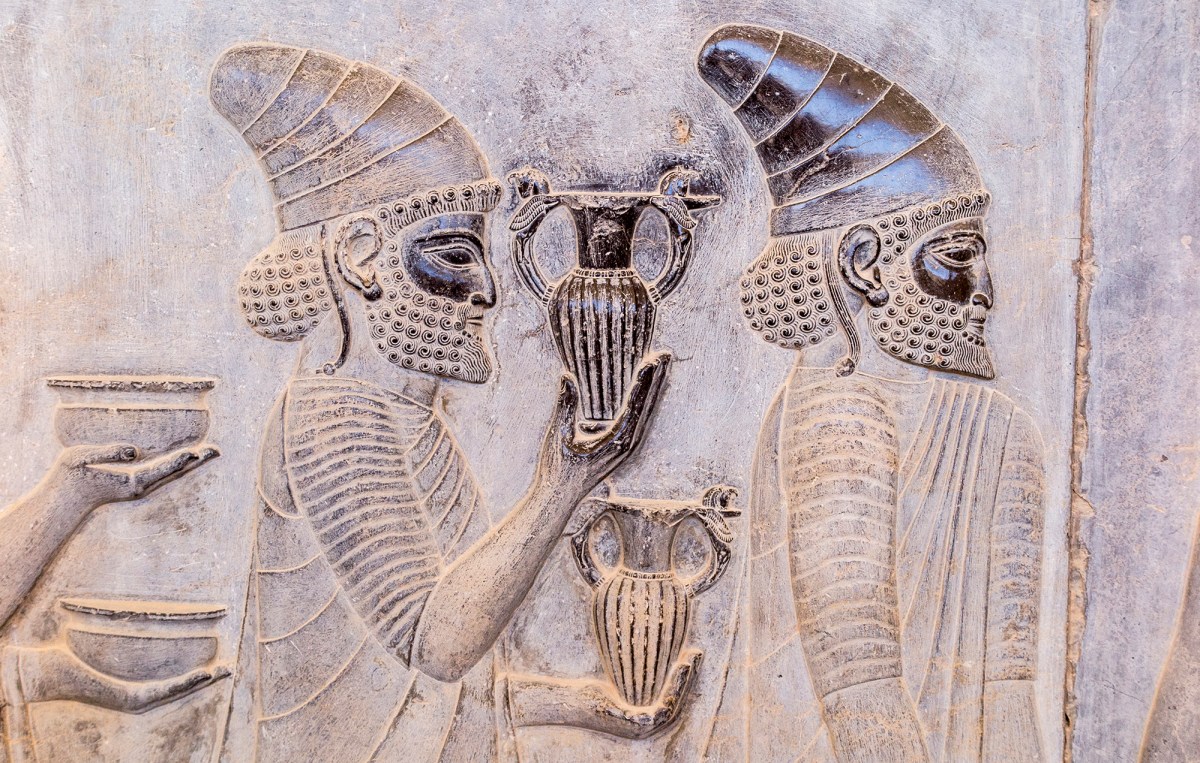
Esther belongs to the court tale genre. In this genre, a drama occurs within the royal court, and a hero foils the plot of their enemy to receive royal favors later. It is debated whether to read it historically, like Kings and Chronicles. Yet, the writer was familiar with Persian customs. Another type of story that fits this genre is the Tale of Ahiqar. Esther is used as an etiological explanation of the birth of Purim. On this holiday, they exchange gifts of food and drink, donate to the poor, eat a celebratory meal, and recite the scroll of Esther along with the appropriate liturgical prayers. Some scholars believe the story was invented to justify the holiday of what amounts to a party. Yet, court tales are usually based on historical events and people. Esther is somewhat unique in that the story is secular because the book contains no references to God or anything particularly religious. However, one can certainly see the providence of God throughout the story.
His Persian name was Khashayar, which means “ruler over heroes,” but his name in Hebrew is what we see in Esther. To the Greeks, he was Xerxes, and he ruled from 486–465 BC. He reigned from India (Pakistan) to Nubia (northern Sudan and southern Egypt) and gave a banquet in the third year of his reign. This lavish banquet lasts for half a year, suggesting that little business is getting done. After this period, he gives Susa a one-week banquet. The details of the fineries are present to convey the austerity of the event.
Simultaneously, Queen Vashti threw a banquet for women. The king and his guests are in the courtyard (v. 5), while the women are in the palace. “Vashti” is believed to derive from Persian and meant something like “the best” or “the beloved,” so it wasn’t a proper name so much as a title. Herodotus wrote about the Persians and named Amestris the queen, but what’s problematic is that she was queen before and after his attempted conquest of Greece. This conquest occurs between chapters one and two in the story of Esther, and Esther becomes queen in chapter two. “Amestris” derives from Persian and means “strong woman,” which may have been the title that Herodotus gave the queen. The hunt seems futile since we aren’t necessarily dealing with proper names. Plus, Queen Vashti may have remained his wife and just exiled (cf. verse 19) because we know that Darius I had more than one wife.
According to the Persepolis Fortification Tablets, royal wives often acted independently from their husbands. Jewish Midrash (interpretation) suggests that the king wanted his queen to appear naked before his guests, something usually required of concubines rather than queens. On the one hand, he wanted her to wear the crown, denoting her high status, but on the other, he wanted to parade her, thus denigrating that status. Her refusal must serve as an example because her actions, if they are made known, threaten the patriarchy of Persia.
How much is dignity worth? It is cheaper, but it depends on who you ask and what the subject is. The modesty and dignity with which Vashti acted conveyed that she was worth more than just some eye piece. She wasn’t an object, but a person deserving dignity, not to be paraded before a bunch of drunk men to be ogled. Moms and dads should tell this story to their daughters and then contrast it with Herodias’ daughter, who, when presented by her mother, must have danced provocatively for Herod to offer up to half of his kingdom. The Jewish girl dances seductively verses the heathen Persian who revelaed her dignity.

 A Minister's Study