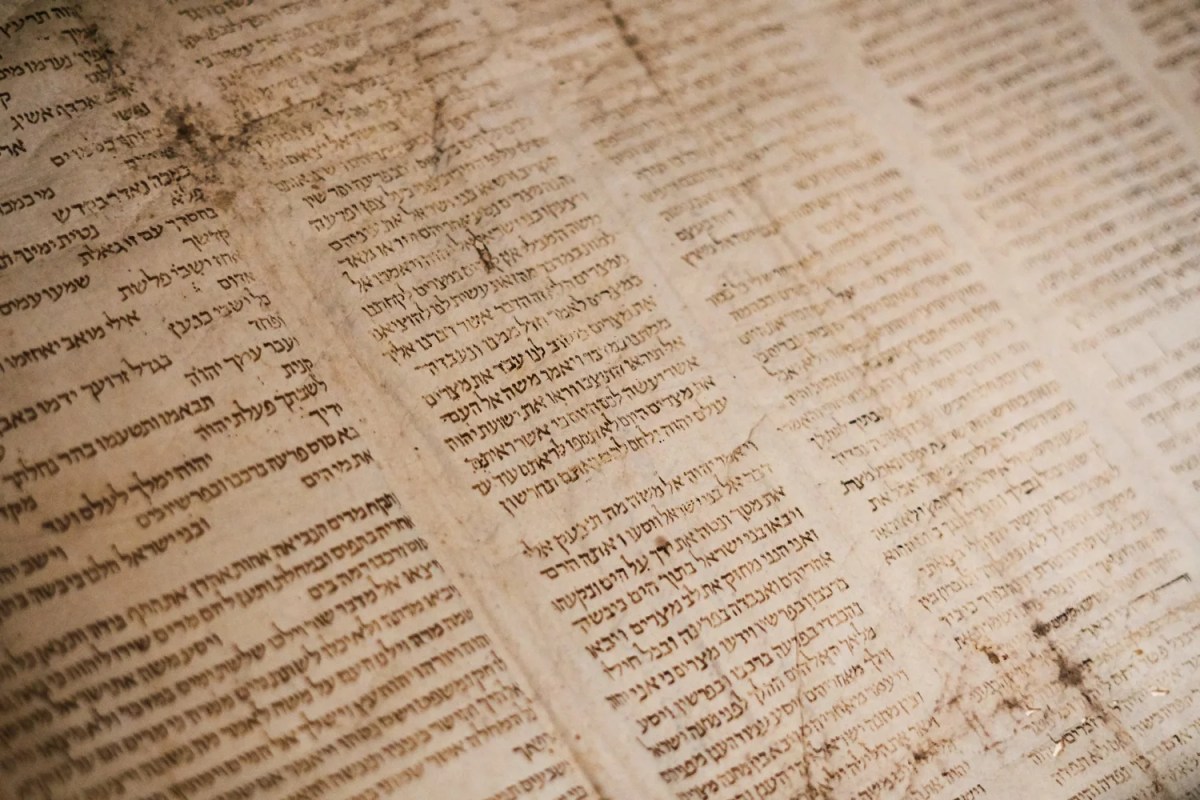
This section (Lev. 18–20) begins with the declaration at the beginning of a set of legal injunctions. It’s as if God is saying, “By the authority vested in me as your sovereign, you shall or shall not.” What sets this apart is the comparison between Egypt and Canaan. How they live, you are not to live, so we can suppose that what follows is an indictment of those nations. We know that sibling marriages occurred in the royal houses of Egypt. As to the rest, it may hinge on the polytheistic nature of the areas that led to such license. God emphasizes that these are their “ordinances,” and at the end of the chapter, he enjoins them to follow his instead. The term translated “ordinances” is the same word translated as “statutes” in verse five. Statutes may be a better translation of the Hebrew term because its primary sense is “things inscribed.” Beginning in verse six, “None of you” should be translated as “no man” because that’s the verbiage, and it can be inferred that the man takes the initiative in such acts. The only exception here is in verse twenty-three, where the woman engages in bestiality.
Noted among the various prohibited relations is the fact that many patriarchs did what the law says not to do. Jacob married two sisters; Abraham says Sarah is a sister (albeit half), and David’s daughter Tamar thinks her father can arrange a marriage with her brother, Amnon. Of course, the patriarchs can’t be held to the standard since it didn’t exist when they were alive; David lived afterwards. The Law, however, now rectifies that.
Sandwiched between chapters eighteen and twenty, chapter nineteen seems out of place. However, the understanding is that what God asks of them is juxtaposed with the nations of Egypt and Canaan. Whereas the other two chapters appear to revolve around perverse negatives, chapter nineteen presents positives for a person to do to remain pleasing to God. Verse three begins a paraphrase of the Ten Commandments. Since they would have been an agricultural economy, the edges of their fields and what they dropped would have been like a tax for the poor. We see this vividly exercised in the book of Ruth. The same verbiage is used in verse twenty-seven. The likely prohibition there concerns pagan funerary customs.
There are a few key words throughout these chapters worth noting. One is “abomination,” and it’s attributed to male homosexual relations (Lev. 18:22; 20:13). This term appears several times throughout Lev. 18:26–30. This causes Israel to be impure and the land nauseous. By not doing this, Israel will distinguish itself from the inhabitants of the land. This term is elsewhere attributed to idolatry (Deut. 12:31; 13:15), false weights (Deut. 25:13–16), transvestism (Deut. 22:5), and remarrying a divorced wife (Deut. 24:4).
Another term we see is “wickedness.” It’s used in relations with a woman and her daughter or granddaughter (Lev. 18:17; 20:14). It’s also employed in one prostituting her own daughter (Lev. 19:29). What’s somewhat surprising is that a word meaning “kindness” is used as a homonym. It’s translated as “wicked thing” in Lev. 20:17, but it carries the meaning of “disgrace” or “shame” (cf. Prov. 25:9–10). A final term is “perversion” (Lev. 18:23). Its root means “to mix,” so here it’s the act of interspecies mating (Lev. 20:12). Closing the section is another reference, as it began: don’t do as the nations do (Lev. 20:23–25). This uses language similar to that in chapter 11 regarding pure and impure animals.

 A Minister's Study